
You might think sugar directly eats holes in your teeth, but that’s not quite how it works. The real culprit is the chain reaction that happens when sugar meets the bacteria living in your mouth.
Sugar feeds harmful bacteria in your mouth, which produce acid that dissolves your tooth enamel over time, creating cavities. The process involves multiple factors working together, and understanding it can help you protect your oral health more effectively. A biological dentist can help you understand how this process affects your individual health.
The Science Behind Sugar & Tooth Decay
When you eat or drink something sugary, bacteria in your mouth feast on those sugars. These bacteria—particularly Streptococcus mutans—consume sugar and produce lactic acid as a byproduct.
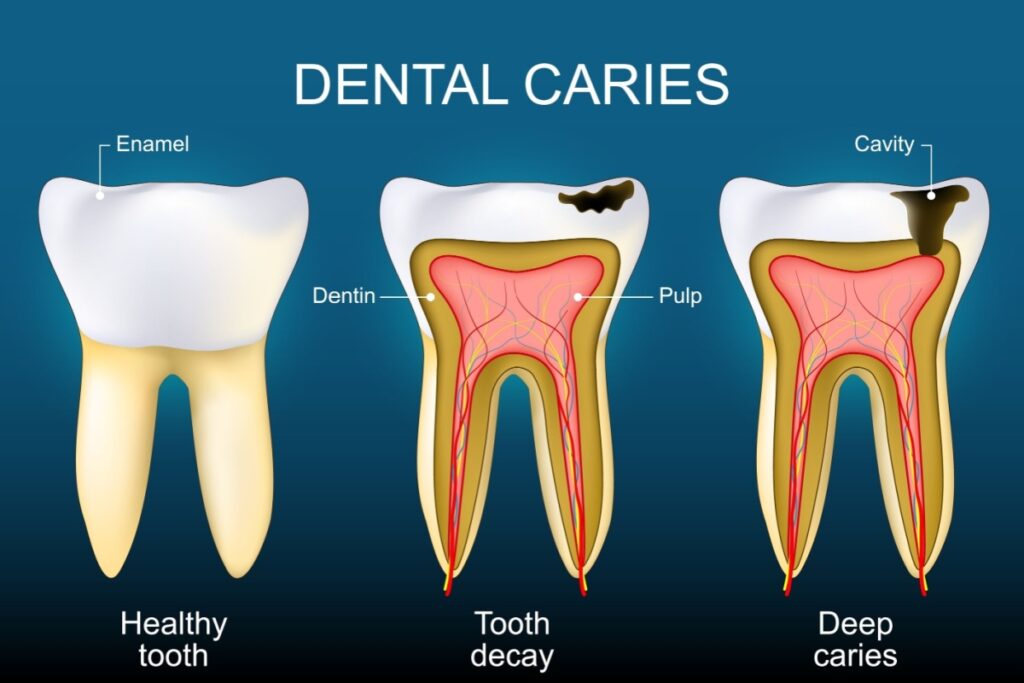
Acid directly attacks your tooth enamel, the hard protective layer covering your teeth. Over time, the acid dissolves minerals from the enamel through a process called demineralization.
Plaque buildup on your teeth creates the perfect environment for this process. The sticky film traps bacteria and sugar against your teeth, giving acid more time to work on weakening your enamel.
What Happens in Your Mouth After Sugar
The bacterial acid production begins within minutes of sugar exposure and continues for about 20 minutes after you finish eating. During this window, your mouth becomes more acidic, increasing your risk of tooth decay.
Your enamel begins to lose minerals immediately when exposed to this acid. If this demineralization happens repeatedly without enough recovery time, weak spots develop in your enamel.
These weak spots eventually become small holes—cavities. Without intervention, decay continues to progress deeper into your tooth structure, potentially reaching the sensitive inner layers.
Beyond Sugar: Complete Picture of Cavity Formation
Your saliva plays a crucial role in cavity prevention by neutralizing acid and washing away food particles. When you don’t produce enough saliva, your risk increases significantly.
The pH balance in your mouth determines how aggressive the acid attack becomes. A consistently low pH environment accelerates enamel breakdown and cavity formation.
Your genetic makeup influences everything from your enamel strength to your natural bacteria balance. Some people naturally have stronger teeth or better saliva production, giving them an advantage.
Your Mouth’s Natural Defense System
Your saliva contains minerals that can help repair early enamel damage through remineralization. This natural healing process works when you give your mouth time between sugar exposures.
Beneficial bacteria in your mouth compete with harmful bacteria for space and resources. Maintaining this balance helps limit acid production even when you do consume sugar.
Your mouth gradually neutralizes acid after eating, but this process takes time. Frequent sugar consumption impairs your natural defenses.
Different Forms of Sugar Create Different Risks
Sticky candies and crackers (like Goldfish) that cling to your teeth cause prolonged acid exposure, whereas drinks wash away quickly. The longer sugar stays in contact with your teeth, the more damage occurs.
How often you consume sugar matters more than the total amount. Sipping a sugary drink over several hours causes more harm than drinking it quickly in one sitting.
Natural fruit sugars can still feed harmful bacteria, though whole fruits often come with fibre and nutrients that support overall oral health. Processed sugars typically offer no protective benefits.
High-Risk Sugar Consumption Patterns
Constant sipping on sugary drinks throughout your day keeps your mouth in a perpetual state of acid attack. Your natural defenses never get a chance to recover and repair.
Snacking between meals extends the acid production window. Each time you eat sugar, the 20-minute acid cycle starts over.
Consuming sugar before bed without brushing allows bacteria to feed on sugar residue all night. Your saliva production decreases during sleep, reducing your natural protection.
Material Sensitivity & Biocompatible Approaches
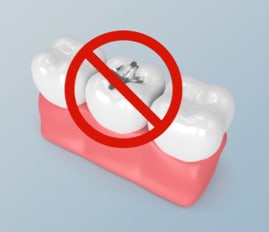
When cavities develop, mercury-safe fillings provide effective restorations without introducing potentially harmful materials into your body. These alternatives can be just as durable and effective.
Material sensitivity dental testing helps identify which restoration materials work with your body’s unique chemistry. This personalized approach can prevent adverse reactions and support better healing.
Fluoride-free dental care options exist for those who prefer alternatives. Many natural approaches can support remineralization and cavity prevention without fluoride exposure.
Gentle Treatment Options Available
Laser gum therapy can address infections around cavities with minimal discomfort and faster healing times. This technology offers a less invasive alternative to traditional treatments.
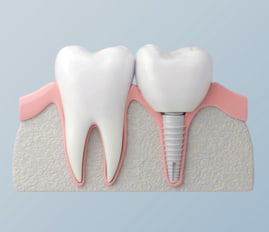
Metal-free dental implants offer biocompatible solutions for severe tooth damage. These materials integrate well with your body’s natural systems.
Holistic oral health assessment methods look at the whole picture of your health, not just individual teeth. This comprehensive approach can identify underlying factors contributing to decay.
Prevention Through Natural & Science-Based Methods
Proper brushing technique removes plaque and bacteria before they can produce significant amounts of acid. Strategically timing your brushing can maximize protection.
Dietary changes beyond sugar reduction—such as increasing alkaline foods and supporting saliva production—can help create a healthier oral environment. Your food choices affect your mouth’s pH balance.
Regular assessment with a biological dentist can catch problems early and provide personalized prevention strategies. This proactive approach often prevents major interventions.
Your Personalized Prevention Plan
Bacterial testing identifies which specific bacteria dominate your mouth, enabling targeted prevention strategies. Different bacteria respond to different approaches.
Individual risk factor evaluation considers your genetics, lifestyle, and health history to create a customized prevention plan. What works for others might not work for you.
A holistic dentistry approach examines how your oral health connects to your overall well-being; a comprehensive view often reveals prevention opportunities that conventional approaches miss.
You can take control of cavity formation by understanding how sugar affects your mouth. Our team at Health First Dental can help you develop a personalized approach that aligns with your health goals and values.
Contact us today to learn more about biological dental care options that support your overall wellness.