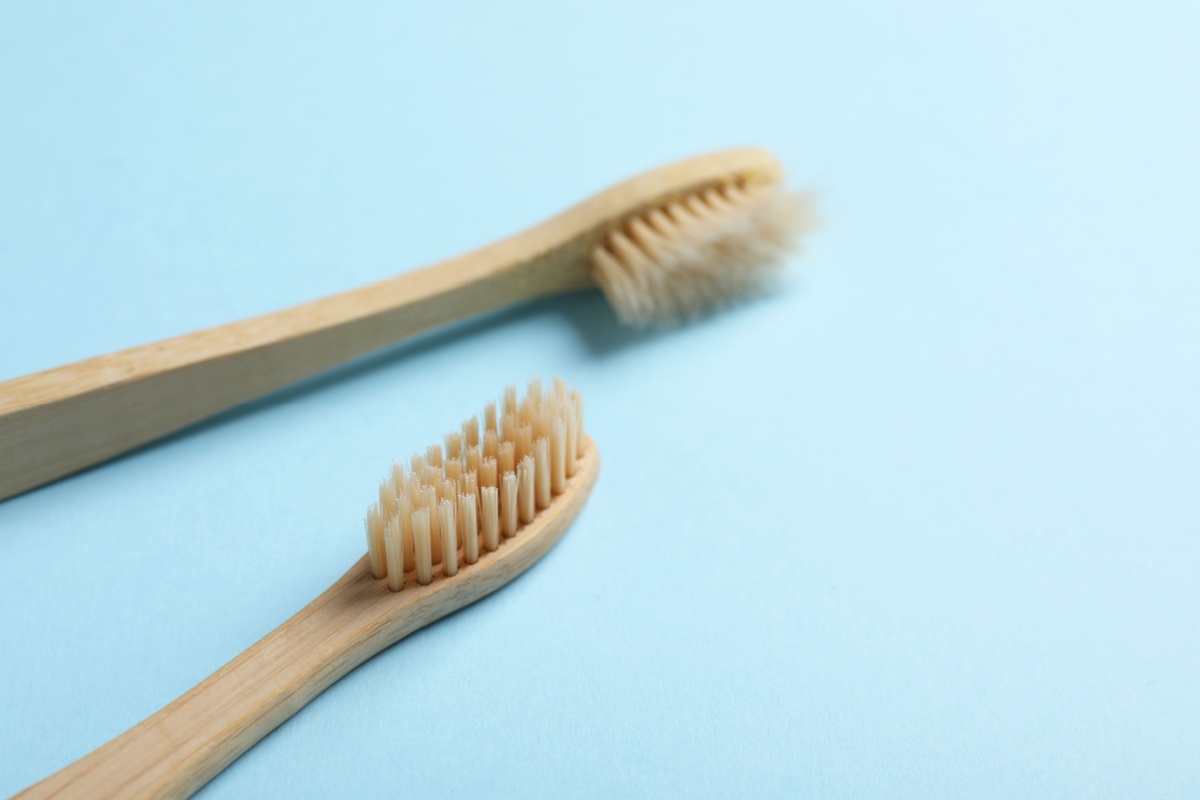
Your toothbrush sits in your bathroom every day, quietly collecting bacteria and slowly wearing down with each use. At Health First Dental, we know that even basic habits like replacing your toothbrush regularly matter for holistic oral health.
You should replace your toothbrush every three months, but certain situations like illness, gum disease, or frayed bristles mean you need a new one sooner. Getting this timing right can make a big difference in how clean your teeth feel and how healthy your mouth stays.
Why Your Toothbrush Replacement Schedule Matters
Fresh bristles bend and flex to reach between your teeth and along your gum line. When the bristles of your toothbrush get worn down, they can’t curve around the surfaces of your teeth the same way. You might brush for the same two minutes, but now you’re leaving more plaque behind.
Old toothbrushes also become breeding grounds for bacteria. Every time you brush, microorganisms from your mouth settle into the bristles. Even rinsing your toothbrush doesn’t remove the buildup over weeks of use. Proper brushing technique combined with fresh bristles helps maintain good oral hygiene.
Think of it like using a worn-out broom to sweep your floor. The bristles might still move around, but they’re not picking up dirt the way they used to.
When to Replace Your Toothbrush
The 3-Month Rule
Three months gives you enough time to get good use from your toothbrush without keeping it so long that it stops working properly. During this time, you’ll brush roughly 180 times, enough to gradually wear down quality bristles.
Your bristles start to lose their shape after about six weeks of regular use, but they can still clean well for another month or so. By month three, most toothbrushes have lost enough bristle integrity that replacement becomes necessary.
Signs Your Toothbrush Needs Replacement
- Frayed or bent bristles that stick out at odd angles
- Bristles that stay flat when you press and release them
- Discolouration from toothpaste, food, or bacteria buildup
- Musty or unpleasant smell even after rinsing
- Visible wear patterns where bristles have been compressed
Replacing Your Toothbrush After Illness
Your toothbrush can harbor viruses and bacteria from colds, flu, or mouth infections long after you feel better. Using the same brush can potentially reintroduce these organisms back into your system.
Replace your toothbrush as soon as you start feeling sick, then again once you’ve recovered. This two-step approach helps prevent both spreading illness to family members and reinfecting yourself.
Consider professional guidance if you experience persistent oral health issues following illness.
Electric Toothbrush Heads & Replacement
Electric toothbrush heads typically need replacement every two to three months, similar to manual brushes. In some cases, the rapid vibration or rotation can actually wear down bristles faster than manual brushing.
Many electric toothbrush heads have indicator bristles that fade from colored to white when replacement time arrives. You’ll also notice the same signs of deterioration as with manual brushes: fraying, loss of flexibility, and reduced cleaning effectiveness. Electric and manual toothbrushes both require regular replacement for good performance.
Some people find that they need to replace electric brush heads more frequently because the mechanical action puts extra stress on the bristles.
Special Circumstances for More Frequent Changes
Gum Disease or Periodontal Issues
When you have gum disease, your mouth produces more bacteria than usual. These organisms can build up in your toothbrush bristles faster, potentially working against your treatment progress.
Our team at Health First Dental often recommends monthly toothbrush replacement for patients undergoing laser gum therapy or other gum disease treatment. This helps support the healing process by reducing bacterial reintroduction.
Immune System Concerns
If your immune system is compromised, the bacteria that naturally accumulate in toothbrush bristles pose a higher risk to your health. More frequent replacement—every four to six weeks—can help reduce this bacterial load.
Some patients benefit from material sensitivity dental testing to identify toothbrush materials that work better with their individual biology. Natural bristles, synthetic materials, and different handle compositions can all affect sensitive individuals differently.
Hard Brushing Habits
Aggressive brushing wears out bristles much faster than gentle technique. If you tend to scrub hard, you might need new toothbrushes every six to eight weeks instead of three months.
Learning proper brushing pressure not only helps your toothbrush last longer, but it also protects your tooth enamel and gum tissue from damage. Light, circular motions work better than back-and-forth scrubbing; imagine that you’re brushing a tomato.
Choose the Right Toothbrush for Your Health
Bristle Type & Hardness
Soft bristles clean better than medium or hard bristles because they flex to reach into gum pockets and between teeth without causing damage. They also last longer because they’re less likely to bend permanently out of shape.
Medium and hard bristles can actually damage tooth enamel and gum tissue over time, especially if you brush with moderate to heavy pressure. Despite what you might assume, harder bristles don’t clean better than soft ones. They’re only appropriate for cleaning dentures or dental appliances, never for your natural teeth.
Handle Design & Comfort
A comfortable grip helps you maintain proper brushing technique for the full two minutes. Look for handles that feel secure in your hand without requiring a tight grip. Some people find thicker handles easier to control, while others prefer standard sizes.
Material Considerations
Toothbrush materials vary widely, and what works best depends on your individual needs and values. Bamboo handles and natural bristles offer eco-friendly alternatives to traditional plastic and nylon. Some people prefer synthetic materials for specific performance characteristics, while others find natural options better suit their biology.
Material sensitivity dental testing can help identify which toothbrush components work better with your individual biology, especially if you notice irritation or allergic reactions during your oral care routine. At Health First Dental, our biological dentistry approach considers how different materials interact with your body’s natural systems.
Supporting Your Body’s Natural Balance
Regular toothbrush replacement fits naturally into a holistic approach to oral health. Fresh bristles help maintain the mechanical plaque removal that supports your mouth’s natural balance of bacteria. For those who follow fluoride free dental care routines, effective brushing with fresh bristles maximizes mechanical plaque removal and supports your mouth’s natural remineralization processes.
At Health First Dental, our team considers factors like your immune response, material sensitivities, and current oral health status when making recommendations for your home care routine. Schedule an appointment with us to discuss how proper toothbrush maintenance fits into your personalized oral health plan.